

On a quiet morning in Berlin, Martin adjusted the standing desk in his apartment, wincing slightly as he shifted his weight. At 42, he wasn’t old, but years of sedentary work and overlooked nutrition had begun to surface in subtle ways—joint stiffness, fatigue, and a growing awareness that health isn’t something you fix overnight. His doctor’s advice was straightforward: focus on long-term bone health. That’s when he first encountered osteopur—not as a miracle solution, but as part of a broader strategy to rebuild resilience from within.
For many professionals navigating high-performance lifestyles, osteopur represents a new category of wellness thinking—one that blends supplementation, preventive care, and data-informed decisions. It’s less about quick fixes and more about sustainable health architecture.
Understanding Osteopur in Modern Health Context
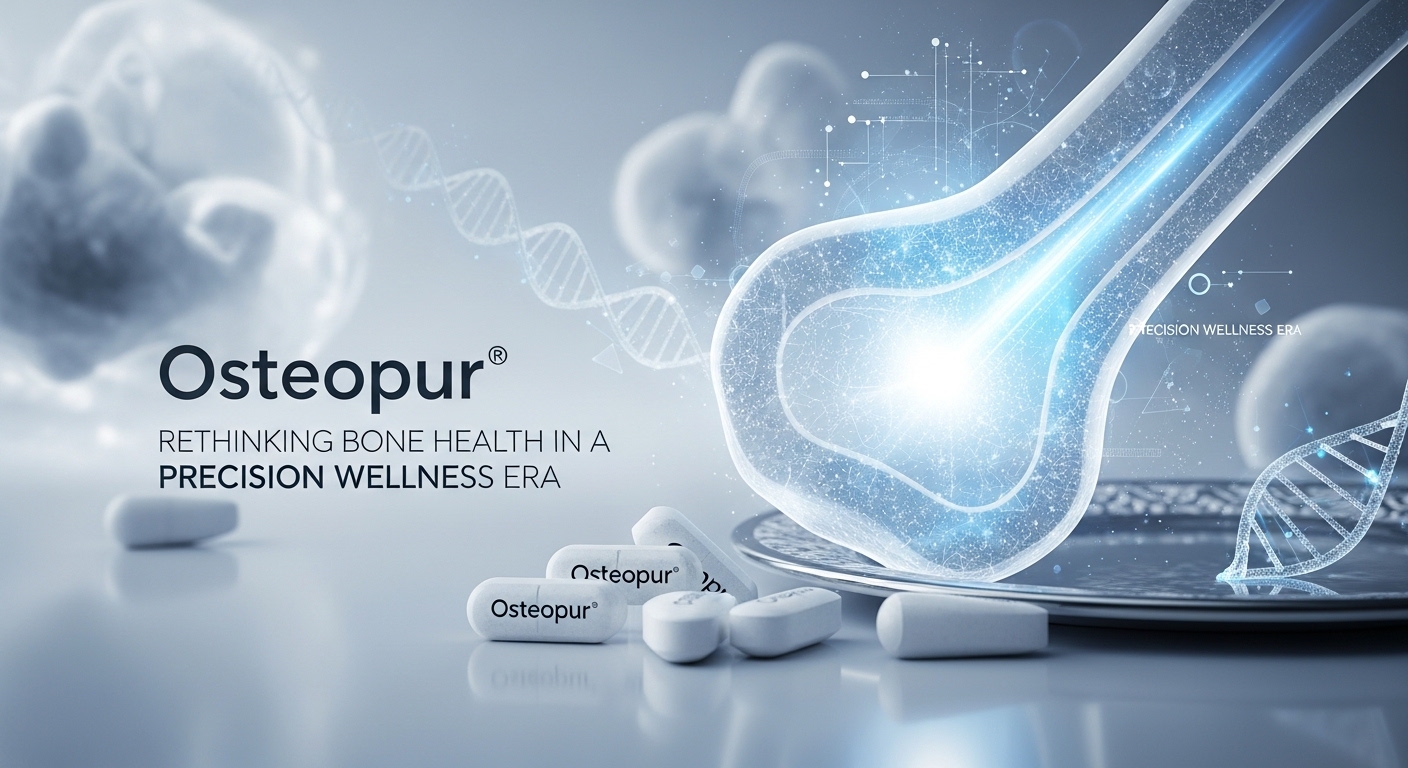
Osteopur is typically positioned as a bone health supplement designed to support skeletal strength, mineral density, and overall structural integrity. While formulations may vary depending on manufacturer or region, products under this name often include key nutrients such as calcium, vitamin D, magnesium, and sometimes collagen or trace minerals.
What distinguishes osteopur from generic supplements is not necessarily the ingredients themselves, but the way they are combined and positioned. Instead of targeting a single deficiency, it aims to support a system—the skeletal framework that underpins mobility, posture, and long-term physical independence.
This systems-based approach aligns with a broader shift in healthcare. Rather than treating isolated symptoms, modern wellness strategies increasingly focus on interconnected functions. Bone health, for example, isn’t just about calcium—it’s about absorption, hormonal balance, and lifestyle factors.
The Science Behind Bone Support
To understand why osteopur matters, it’s important to consider how bone health evolves over time. Bone is living tissue, constantly being broken down and rebuilt in a process known as remodeling. During youth, this process favors growth. But as individuals age, the balance gradually shifts toward loss.
Nutrients like calcium and vitamin D play a central role in maintaining this balance. Calcium provides the structural material, while vitamin D enhances absorption and utilization. Magnesium contributes to bone formation, and collagen adds flexibility to the bone matrix.
Osteopur formulations are typically designed to support this entire cycle. By combining these elements, they aim to create a more holistic intervention—one that supports not just density, but also strength and resilience.
For entrepreneurs in the health-tech space, this reflects an important principle: effective solutions often require integration, not isolation.
From Reactive Care to Preventive Strategy
One of the most significant trends shaping the rise of osteopur is the shift from reactive healthcare to preventive wellness. In the past, bone health was often addressed only after problems emerged—fractures, osteoporosis, or chronic pain.
Today, there’s growing awareness that prevention is both more effective and more economical. Professionals in their 30s and 40s are beginning to think proactively about aging, longevity, and quality of life.
Osteopur fits into this mindset as a daily habit rather than a corrective measure. It becomes part of a routine—alongside exercise, nutrition, and sleep—that collectively supports long-term health.
This mirrors trends in technology, where predictive maintenance and proactive monitoring are replacing reactive troubleshooting. The logic is the same: address issues before they escalate.
Market Positioning and Consumer Trust
The supplement industry is crowded, and consumer skepticism is high. In this environment, products like osteopur must navigate a delicate balance between credibility and accessibility.
Successful positioning often hinges on transparency—clear labeling, evidence-based claims, and consistent quality. Consumers are no longer satisfied with vague promises; they want to understand what they’re taking and why.
For founders and product leaders, this underscores the importance of trust as a competitive advantage. In health-related markets, trust is not just a brand asset—it’s a prerequisite.
Product Composition and Functional Role
To better understand how osteopur is typically structured, consider the following breakdown:
| Component | Role in Bone Health | Functional Benefit |
|---|---|---|
| Calcium | Primary mineral in bone structure | Supports density and strength |
| Vitamin D | Enhances calcium absorption | Improves mineral utilization |
| Magnesium | Aids in bone formation and metabolism | Contributes to structural balance |
| Collagen (optional) | Provides flexibility to bone matrix | Reduces brittleness |
| Trace Minerals | Support enzymatic processes | Enhances overall bone function |
This composition highlights a key theme: bone health is multifaceted. Addressing it effectively requires a combination of elements working in harmony.
The User Experience: Simplicity Meets Consistency
One of the reasons osteopur resonates with modern users is its simplicity. Unlike complex health regimens that require multiple products and schedules, it often integrates into daily life with minimal friction.
This ease of use is not accidental. In product design, reducing cognitive load is a powerful strategy. The fewer decisions a user has to make, the more likely they are to remain consistent.
Consistency, in turn, is what drives results. A supplement is only effective if it’s taken regularly, and osteopur’s design acknowledges this reality.
For tech founders, this principle translates directly into user retention. Products that are easy to adopt and maintain tend to outperform those that require constant effort.
Challenges and Considerations
Despite its advantages, osteopur is not a standalone solution. Bone health is influenced by a wide range of factors, including physical activity, diet, genetics, and lifestyle habits.
Relying solely on supplementation without addressing these factors can limit effectiveness. Weight-bearing exercise, for example, plays a critical role in stimulating bone growth. Similarly, excessive caffeine or poor nutrition can undermine progress.
There’s also the challenge of differentiation. As more brands enter the market with similar formulations, standing out becomes increasingly difficult. Innovation must come not just from ingredients, but from delivery methods, personalization, and user education.
The Role of Data and Personalization
Looking ahead, the future of products like osteopur may lie in personalization. Advances in health technology are making it possible to tailor supplementation based on individual needs—using data from wearables, blood tests, and genetic analysis.
This shift could transform osteopur from a general supplement into a customized solution. Instead of a one-size-fits-all approach, users could receive formulations optimized for their specific profiles.
For entrepreneurs, this represents a significant opportunity. The intersection of health and data is one of the most dynamic areas of innovation, and bone health is an essential part of that ecosystem.
A Broader Reflection on Wellness
Osteopur is more than a supplement—it’s a reflection of how wellness is evolving. It signals a move toward long-term thinking, where health is not just about avoiding illness, but about building resilience.
This perspective resonates with a generation that values sustainability—not just in the environment, but in their own bodies. It’s about making small, consistent investments that compound over time.
In many ways, this mirrors the mindset of successful founders. Long-term growth rarely comes from dramatic leaps; it comes from steady, disciplined progress.
Conclusion
Osteopur doesn’t promise transformation overnight, and that’s precisely its strength. It operates within a framework of consistency, integration, and long-term value—principles that apply as much to health as they do to business.
For professionals navigating demanding lives, it offers a practical way to support one of the body’s most fundamental systems. And for entrepreneurs, it provides a case study in how thoughtful design, clear positioning, and user-centric thinking can create lasting impact.
Because in the end, whether you’re building a company or maintaining your health, the goal is the same: create a foundation strong enough to support everything that comes next.