

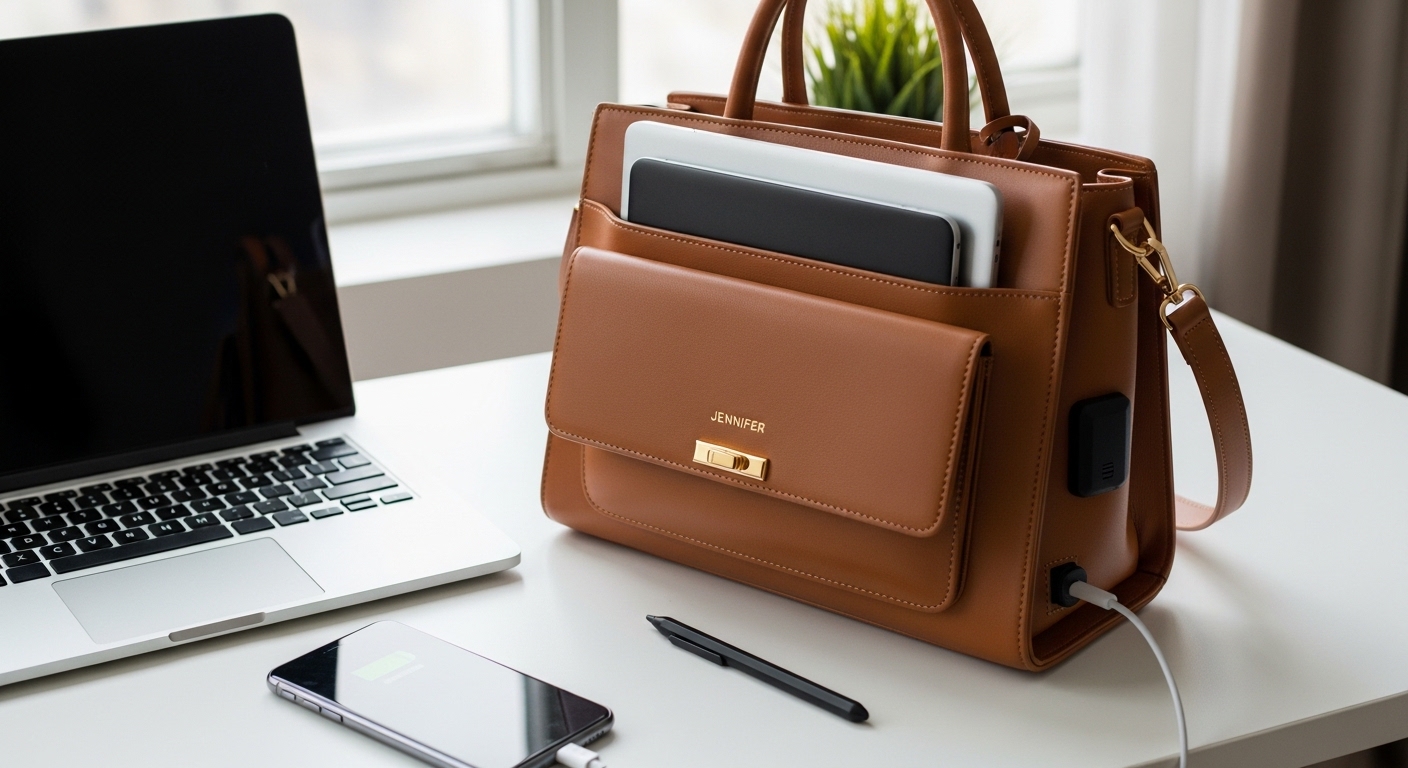
On a crowded morning in Milan, Sofia stepped out of a taxi balancing her phone, a coffee, and a laptop sleeve that refused to cooperate. As she reached for her bag—a structured, understated piece often referred to as a jennifer handbag—everything seemed to fall into place. The compartments were intuitive, the strap sat comfortably on her shoulder, and for once, she wasn’t fumbling. It wasn’t flashy, but it worked. And in that moment, functionality felt like luxury.
The rise of the jennifer handbag isn’t tied to a single runway debut or viral moment. Instead, it reflects a broader shift in how consumers evaluate everyday products. For entrepreneurs, designers, and product builders, it offers a compelling lesson: when form and function align seamlessly, even the simplest object can command lasting attention.
The Evolution of the Everyday Handbag
Handbags have always been more than accessories. Historically, they’ve served as status symbols, practical tools, and expressions of identity. From ornate clutches to oversized totes, trends have often prioritized aesthetics over usability.
The jennifer handbag represents a departure from that pattern. It embraces a design philosophy that prioritizes usability without sacrificing elegance. Clean lines, structured silhouettes, and thoughtful compartments define its identity. It’s not about excess—it’s about precision.
This evolution mirrors what we’ve seen in technology products over the past decade. Devices and platforms have gradually moved toward minimalism, stripping away unnecessary complexity in favor of intuitive design. The same principle now applies to fashion accessories.
What Defines a Jennifer Handbag?
Unlike iconic branded bags that are tied to specific fashion houses, the term “jennifer handbag” has become more of a category descriptor than a single product. It typically refers to a medium-sized, structured handbag designed for everyday use, balancing style with practicality.
What sets it apart is not a logo, but a set of characteristics: durability, organization, and versatility. These bags often feature neutral tones, high-quality materials, and a layout that anticipates the user’s needs.
For professionals and founders constantly on the move, this type of design solves real problems. It accommodates laptops, documents, and personal items without becoming bulky or unwieldy. In essence, it functions as a mobile workspace.
Function Meets Aesthetic: The Core Appeal
The success of the jennifer handbag lies in its ability to bridge two traditionally competing priorities: beauty and utility. In many ways, it reflects a shift in consumer expectations. People no longer want to choose between looking good and staying organized—they expect both.
This convergence is particularly relevant in today’s hybrid work environment. As boundaries between professional and personal life blur, products must adapt. A handbag is no longer just for carrying essentials; it’s part of a daily workflow.
Designers behind these bags understand that subtle details matter. The placement of a zipper, the width of a strap, the weight distribution—each element contributes to the overall experience. These are not headline features, but they define long-term satisfaction.
Market Dynamics and Consumer Demand
The growing popularity of the jennifer handbag is closely tied to changes in consumer behavior. Modern buyers are more informed and more intentional. They’re less likely to be swayed by branding alone and more interested in how a product fits into their lives.
This has created an opportunity for smaller brands and independent designers to compete with established fashion houses. By focusing on craftsmanship and user experience, they can carve out a niche without massive marketing budgets.
From a business perspective, this shift underscores the importance of value perception. A product doesn’t need to be the most expensive to be considered premium—it needs to deliver consistent, tangible benefits.
Product Anatomy: What Makes It Work
To understand why the jennifer handbag resonates with users, it helps to break down its core components:
| Feature | Description | User Benefit |
|---|---|---|
| Structured Design | Firm shape that maintains form | Professional appearance, durability |
| Compartment Layout | Multiple organized sections | Easy access to essentials |
| Material Quality | Leather or high-grade synthetic alternatives | Longevity and refined feel |
| Neutral Color Palette | Black, beige, tan, or muted tones | Versatility across outfits |
| Ergonomic Straps | Adjustable and comfortable | Reduced strain during daily use |
Each of these elements contributes to a cohesive experience. None are revolutionary on their own, but together they create a product that feels thoughtfully designed.
Lessons for Entrepreneurs and Product Designers
The jennifer handbag offers several insights for those building products in any industry. First, it highlights the value of user-centric design. Instead of asking what looks impressive, successful products ask what works consistently.
Second, it demonstrates the power of iteration. These bags are not radically different from traditional handbags, but they refine the concept in meaningful ways. This approach reduces risk while still delivering innovation.
Third, it emphasizes the importance of context. A product doesn’t exist in isolation—it interacts with a user’s daily routine. Understanding that context allows designers to anticipate needs and eliminate friction.
In tech terms, this is the difference between a feature-rich platform and a frictionless experience. The latter often wins.
The Role of Branding and Identity
Interestingly, the jennifer handbag challenges traditional notions of branding. Without a single defining logo or origin, its identity is shaped by shared characteristics rather than a centralized narrative.
This decentralization reflects a broader trend in consumer culture. People are increasingly drawn to products that feel personal and adaptable, rather than those tied to rigid brand identities.
For founders, this opens up new possibilities. It suggests that building a category can be just as powerful as building a brand. By defining a set of values and design principles, businesses can create products that resonate across different markets.
Sustainability and Longevity
Another factor contributing to the appeal of the jennifer handbag is its alignment with sustainability trends. Durable materials and timeless design reduce the need for frequent replacement, making it a more responsible choice.
Consumers are becoming more conscious of their purchasing decisions, favoring products that offer long-term value over short-term gratification. In this context, a well-made handbag is not just an accessory—it’s an investment.
This shift has implications for product development across industries. Designing for longevity requires a different mindset, one that prioritizes quality over rapid turnover.
Challenges in a Competitive Market
Despite its strengths, the jennifer handbag faces challenges. Its understated design can make it less visible in a market driven by bold trends and social media influence. Without strong visual differentiation, it risks blending into the background.
Additionally, as more brands adopt similar design principles, maintaining uniqueness becomes increasingly difficult. The very qualities that define the category—simplicity and functionality—can also make it easier to replicate.
However, these challenges also create opportunities. Brands that can add subtle innovations or refine the user experience further will stand out, even within a crowded space.
A Reflection of Modern Priorities
Ultimately, the jennifer handbag is more than a product—it’s a reflection of changing priorities. It represents a move away from excess and toward intentionality. It values ease over extravagance, and consistency over spectacle.
For professionals navigating complex, fast-paced environments, this shift is both practical and symbolic. It suggests that success doesn’t have to be loud to be effective.
Conclusion
The story of the jennifer handbag is not about a single designer or a breakthrough moment. It’s about evolution—how a familiar object can be reimagined to better serve modern needs.
For entrepreneurs and product builders, the takeaway is clear: focus on the details that matter, design with the user in mind, and don’t underestimate the power of simplicity. Because in a world full of noise, the products that succeed are often the ones that quietly make life easier.