

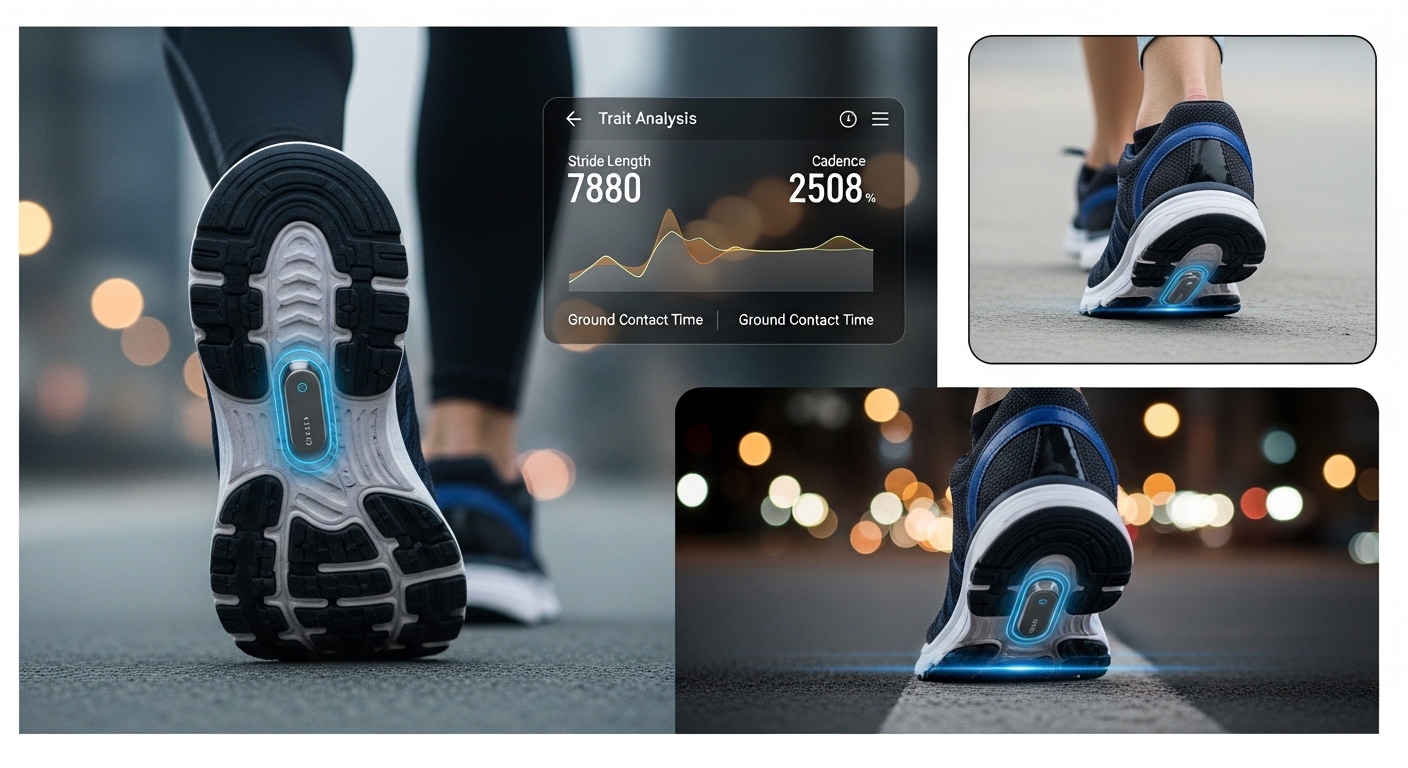
At 6:30 a.m., before the city fully wakes, Aamir ties his running shoes and steps out into the fading darkness. His route is familiar—past the same intersections, through the same quiet streets—but something about his routine has changed. Every step, every pause, every shift in pace is being recorded, interpreted, and reflected back to him later in the day.
Clipped discreetly to his wrist is a tracqueur—a tracking device that has become less about monitoring activity and more about understanding it. For Aamir, it’s no longer just about how far he runs, but how well he recovers, how consistently he improves, and how small patterns reveal bigger truths.
This evolution—from tracking to insight—is where the real story of tracqueur begins.
What Is a Tracqueur in Today’s Context?
The term “tracqueur” originates from the French word for “tracker,” but its modern meaning extends far beyond simple location tracking. Today, a tracqueur represents a category of devices and systems designed to monitor, analyze, and interpret movement, behavior, and performance.
These tools range from fitness wearables and vehicle trackers to advanced logistics systems and asset monitoring solutions. What unites them is a shared purpose: turning raw data into actionable understanding.
For entrepreneurs and tech leaders, tracqueur technology reflects a broader shift in how data is used—not just collected, but contextualized.
From Data Collection to Meaningful Insight
In the early days of tracking technology, the focus was on collection. How many steps did you take? Where is your vehicle located? How long did a process take?
While these metrics were useful, they were often isolated. They provided snapshots rather than narratives.
Modern tracqueur systems have moved beyond this limitation. By integrating sensors, algorithms, and connectivity, they create continuous streams of data that can be analyzed in real time.
This shift transforms tracking into insight. Instead of simply knowing what happened, users begin to understand why it happened—and what to do next.
This is a critical distinction. Data without context is noise. Data with interpretation becomes strategy.
The Expanding Role of Tracqueur Technology
The applications of tracqueur systems are expanding rapidly across industries. In health and fitness, they help individuals optimize performance and recovery. In logistics, they improve efficiency by providing real-time visibility into supply chains.
In urban planning, tracqueur data can inform traffic management and infrastructure development. In security, it enables more precise monitoring of assets and environments.
What makes this technology particularly powerful is its adaptability. The same underlying principles—tracking, analyzing, optimizing—can be applied to vastly different contexts.
For founders, this versatility represents an opportunity. Platforms built around tracqueur technology can scale across multiple domains, creating new layers of value.
A Practical Comparison of Use Cases
To better understand how tracqueur systems function across different environments, consider the following overview:
| Domain | What Is Tracked | Key Insight Generated | Outcome |
|---|---|---|---|
| Fitness | Movement, heart rate | Performance trends | Improved health and endurance |
| Logistics | Vehicle location, routes | Efficiency and delays | Optimized delivery systems |
| Asset Management | Equipment usage | Utilization patterns | Reduced operational costs |
| Security | Location and movement | Risk detection | Enhanced safety |
| Workplace | Activity and time allocation | Productivity insights | Better resource management |
This table highlights a key idea: tracqueur technology is not defined by what it tracks, but by what it reveals.
Why Tracqueur Matters for Entrepreneurs
For entrepreneurs, tracqueur systems offer more than operational benefits—they provide strategic leverage. By making invisible processes visible, they enable better decision-making.
In a startup environment, where resources are limited and margins for error are small, this visibility can be a significant advantage. It allows teams to identify inefficiencies, test hypotheses, and iterate بسرعة (quickly).
Moreover, tracqueur technology aligns with the growing demand for transparency. Customers, partners, and stakeholders increasingly expect real-time information and accountability.
Products that can deliver this level of insight are more likely to build trust and long-term engagement.
The Balance Between Insight and Intrusion
Despite its advantages, tracqueur technology raises important questions about privacy and ethics. Tracking movement and behavior inevitably involves sensitive data, and how that data is used matters.
For businesses, this creates a dual responsibility: to provide value while protecting user trust. Transparency in data collection, clear consent mechanisms, and robust security measures are essential.
This balance is not always easy to achieve. Too little data limits effectiveness; too much can feel intrusive. The challenge lies in finding the right equilibrium.
For founders, this is a design problem as much as a technical one. It requires empathy, foresight, and a commitment to ethical principles.
The Shift Toward Predictive Systems
One of the most significant developments in tracqueur technology is the move toward prediction. By analyzing historical data, systems can anticipate future outcomes—whether it’s a potential equipment failure, a traffic delay, or a change in user behavior.
This predictive capability transforms tracqueur systems from passive tools into active participants. They don’t just report what has happened; they help shape what will happen.
In business terms, this is a shift from reactive to proactive strategy. It allows organizations to address issues before they escalate and to capitalize on opportunities more effectively.
Integration with the Broader Tech Ecosystem
Tracqueur systems rarely operate in isolation. They are increasingly integrated with other technologies, including cloud platforms, artificial intelligence, and Internet of Things (IoT) networks.
This integration amplifies their impact. Data collected by tracqueur devices can be combined with other data sources, creating richer insights and more sophisticated models.
For example, a logistics company might combine vehicle tracking data with weather forecasts and traffic analytics to optimize routes in real time.
This interconnected approach reflects the broader trend toward ecosystem thinking in technology. Products are no longer standalone—they are part of larger, interconnected systems.
Challenges in Adoption and Implementation
While the benefits of tracqueur technology are clear, adoption is not without challenges. Implementation requires investment, both in hardware and in supporting infrastructure.
There is also a learning curve. Organizations must develop the capability to interpret and act on the data they collect. Without this, even the most advanced tracqueur system can become underutilized.
Additionally, scalability can be complex. As systems grow, managing data volume and maintaining performance become critical considerations.
For entrepreneurs, these challenges highlight the importance of thoughtful design and phased implementation.
A Reflection on Modern Decision-Making
At its core, tracqueur technology is about understanding movement—whether physical, operational, or behavioral. But its broader significance lies in how it changes decision-making.
By providing continuous, real-time insight, it reduces uncertainty. It allows decisions to be based on evidence rather than assumption.
This shift is particularly valuable in fast-moving environments, where timing and accuracy are critical. It enables leaders to act with confidence, even in complex situations.
Conclusion
Tracqueur technology may operate quietly in the background, but its impact is far-reaching. It transforms raw data into meaningful insight, enabling individuals and organizations to understand and optimize their actions.
For entrepreneurs and tech leaders, it represents a powerful tool—not just for tracking, but for thinking. It encourages a more informed, proactive approach to decision-making.
As technology continues to evolve, the role of tracqueur systems will only grow. They will become more integrated, more intelligent, and more essential to how we navigate the world.
And perhaps most importantly, they will remind us that progress is not just about moving forward—it’s about understanding how and why we move at all.