

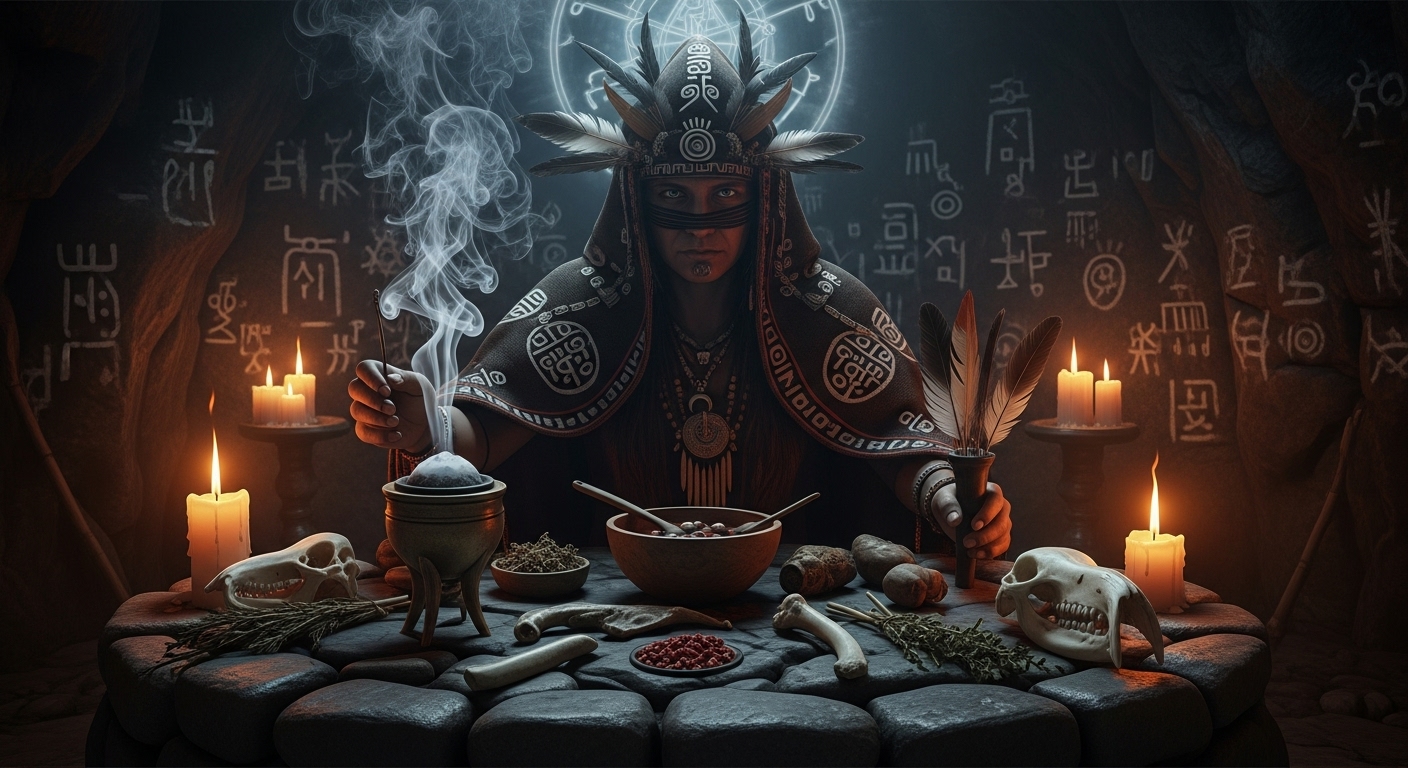
Deep in the heart of South America, a tradition shrouded in mystery continues to captivate those who dare to explore it. Uncuymaza is more than just a ritual; it’s a glimpse into the rich tapestry of indigenous culture and spirituality. This enigmatic practice whispers tales from generations past, echoing the beliefs and worldviews of ancient peoples. As we embark on this journey together, prepare to uncover secrets that have been preserved through time, revealing not only the beauty but also the complexities surrounding Uncuymaza. Join us as we delve into its origins, significance, and practices—discovering how this unique tradition stands at the crossroads between history and modernity.
The Origins and History of Uncuymaza
Uncuymaza has deep roots in the Andes, particularly among indigenous communities of Peru. This tradition likely dates back centuries, intertwining with various cultural practices and beliefs.
Historical records suggest that Uncuymaza emerged as a way to connect with nature. It reflects an understanding of the world that goes beyond mere survival. For many, it is about harmony and balance within their environment.
The practice evolved through generations, influenced by shifting social dynamics and environmental changes. Elders passed down knowledge orally, emphasizing its spiritual significance.
Artifacts related to Uncuymaza have been uncovered at archaeological sites, hinting at its longstanding importance. These findings reveal connections between rituals performed during agricultural cycles and community gatherings.
Local legends further enrich this narrative, often depicting mythical beings associated with the rites of Uncuymaza. Such stories illustrate how this tradition embodies both history and identity for those who continue to honor it today.
The Significance and Purpose of Uncuymaza in Indigenous Cultures
Uncuymaza holds deep significance in various indigenous cultures, serving as a vital link between the spiritual and physical realms. It embodies the collective wisdom of communities, passed down through generations.
At its core, Uncuymaza is not merely a tradition; it’s a way to preserve identity. This practice fosters unity among community members while honoring their ancestors.
The rituals associated with Uncuymaza often involve storytelling and music, creating an atmosphere rich in cultural expression. These elements reinforce social bonds and strengthen communal ties.
Moreover, Uncuymaza acts as a medium for healing—both spiritually and physically. Participants engage in ceremonies that promote well-being, invoking nature’s energies to restore balance within themselves.
By acknowledging this profound tradition, indigenous peoples celebrate their heritage while navigating contemporary challenges. The essence of Uncuymaza resonates deeply within these societies’ values and beliefs.
Understanding the Practices and Rituals of Uncuymaza
Uncuymaza encompasses a rich tapestry of practices that reflect the deep connection between the community and nature. At its core, it is a ritualistic expression tied to spiritual beliefs and agricultural cycles.
Participants often gather in sacred spaces, creating an atmosphere filled with reverence. Offerings may include food, flowers, or even symbolic artifacts meant to honor ancestral spirits. Each item carries significance and intention.
Music plays an essential role in these rituals. Traditional instruments resonate through the air, inviting participants into a shared experience of unity and purpose. Songs recount stories woven into their cultural fabric.
Movement is another vital aspect; dances are performed as tributes to natural elements—earth, water, fire—and ancestors who guide them. These gestures serve not only as celebration but also as profound expressions of gratitude for life’s bounty.
Through every practice within Uncuymaza lies an invitation to connect deeply with one’s roots and community values.
Common Misconceptions and Controversies Surrounding Uncuymaza
Uncuymaza often faces a cloud of misconceptions that can distort its true essence. Many view it solely as a mystical ritual, overlooking the deep cultural roots that define this practice. It’s not just about the spectacle; it embodies spiritual connections and communal ties.
Some critics argue that Uncuymaza promotes superstition. However, for many indigenous communities, these traditions serve as vital frameworks for understanding their world and heritage. They provide context to life’s complexities.
Controversies also arise regarding commercialization. As outsiders seek to profit from Uncuymaza’s allure, there’s growing concern over cultural appropriation. This raises questions about respect and authenticity in preserving Indigenous identities.
The dialogue surrounding Uncuymaza is crucial for fostering mutual respect between cultures and promoting awareness of its significance beyond mere entertainment or exoticism.
The Importance of Preserving and Respecting Traditional Indigenous Beliefs
Preserving traditional Indigenous beliefs is crucial for maintaining cultural identity. These practices provide a sense of belonging and continuity that modern society often overlooks.
Respecting these traditions fosters understanding between cultures. It allows us to appreciate diverse worldviews, which enriches our collective human experience.
Moreover, Indigenous knowledge holds valuable insights into sustainable living and environmental stewardship. The teachings passed down through generations can guide contemporary approaches to ecological challenges.
By valuing these beliefs, we also honor the resilience of Indigenous communities facing historical injustices. Their stories are woven into the fabric of humanity’s history and deserve recognition.
Engagement with these cultures encourages dialogue rather than division. In an increasingly globalized world, embracing diversity strengthens societal bonds while promoting mutual respect and coexistence among all people.
Conclusion
Uncuymaza is a fascinating tradition steeped in rich history and cultural significance. It serves as a bridge connecting generations of indigenous communities to their ancestors, beliefs, and the natural world around them. Understanding Uncuymaza invites us to appreciate the depth of its practices and rituals while acknowledging the importance of preserving these traditions.
As interest in indigenous cultures grows globally, it becomes crucial to approach such topics with respect and authenticity. Misconceptions can cloud genuine understanding, but engaging with Uncuymaza through an informed lens fosters appreciation rather than appropriation.
The survival of traditional beliefs like Uncuymaza hinges on our collective effort to honor and protect them. As we delve into this enigmatic practice, we gain insight not just into the culture itself but also into broader themes of identity, spirituality, and community resilience. Embracing this knowledge enriches our lives while ensuring that these vibrant traditions continue for future generations to explore and cherish.