

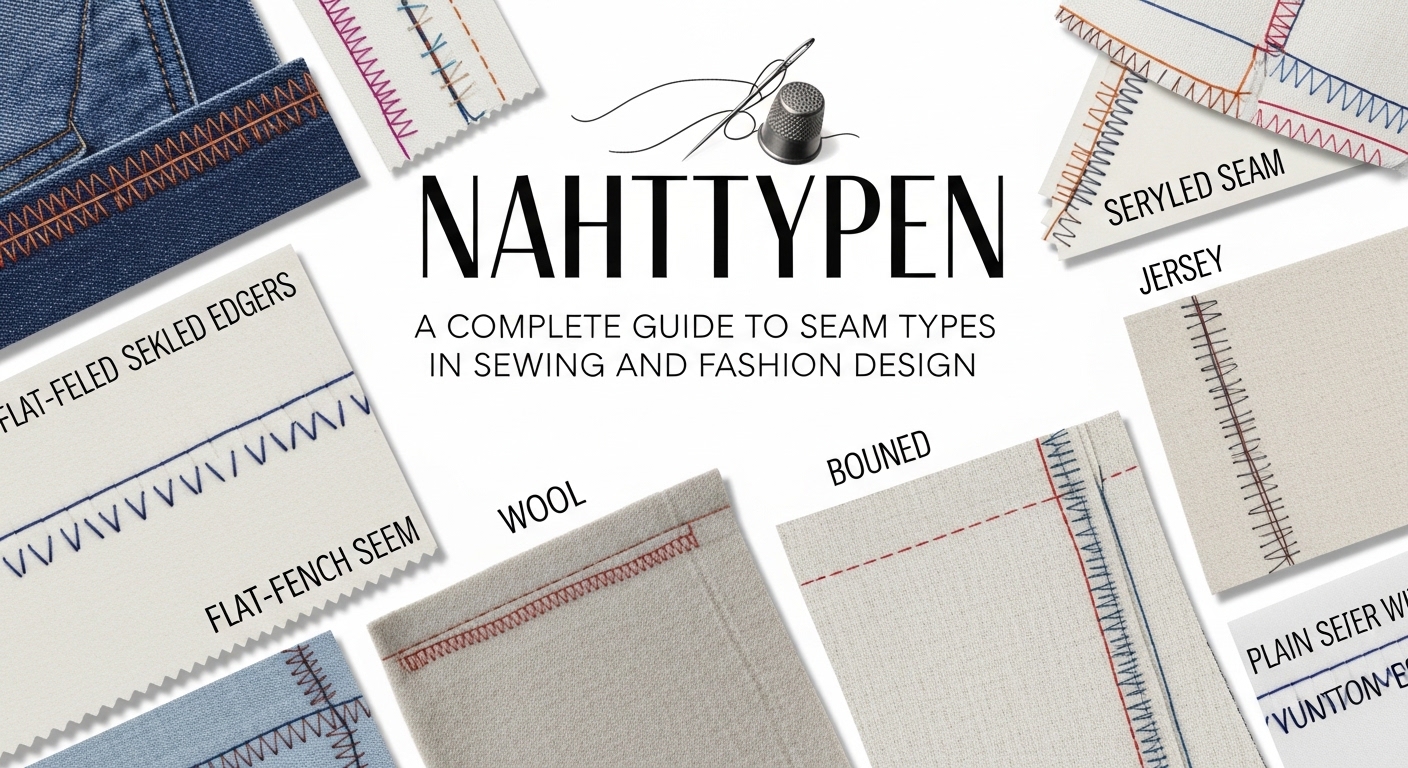
When it comes to sewing, tailoring, and garment construction, the choice of seam can determine not only the durability of a piece but also its comfort, appearance, and professional finish. The term nahttypen refers to different types of seams used in textile and fashion production. Understanding nahttypen is essential for hobbyists, fashion designers, tailors, and anyone interested in high-quality craftsmanship.
What Are Nahttypen?
Nahttypen are the various seam constructions used to join two or more pieces of fabric together. A seam is created by stitching fabric pieces along a defined line, typically using a sewing machine or hand stitching techniques.
Different nahttypen serve different purposes. Some are designed for strength, others for flexibility, and some for decorative appeal. The right seam type depends on factors such as:
-
Fabric type
-
Garment purpose
-
Desired durability
-
Aesthetic requirements
-
Comfort and wearability
Understanding the characteristics of each seam helps ensure a high-quality result.
Why Nahttypen Are Important in Sewing
Choosing the correct nahttypen can impact:
-
Garment longevity
-
Fit and structure
-
Resistance to fraying
-
Stretchability
-
Overall appearance
For example, sportswear requires seams that allow movement and reduce irritation, while formal wear often demands clean, nearly invisible finishes.
Professional designers carefully select nahttypen based on function and design goals.
Common Nahttypen Used in Garment Construction
There are numerous nahttypen, but some are more commonly used in everyday sewing and fashion production.
Plain Seam (Einfache Naht)
The plain seam is the most basic of all nahttypen. It involves placing two fabric pieces right sides together and stitching along the seam line.
Characteristics:
-
Simple construction
-
Suitable for most fabrics
-
Often finished with zigzag stitching or overlocking
This seam is commonly used in shirts, dresses, skirts, and trousers. It is easy to create and works well for beginners.
French Seam (Französische Naht)
The French seam is one of the most elegant nahttypen. It encloses raw edges inside the seam, creating a clean and polished interior finish.
Best for:
-
Lightweight fabrics
-
Sheer materials like chiffon or silk
-
Lingerie and delicate garments
French seams prevent fraying and provide a professional look, especially when the inside of the garment may be visible.
Flat-Felled Seam (Kappnaht)
The flat-felled seam is a strong and durable seam commonly seen in jeans and workwear. Among nahttypen, it is known for its strength and neat finish.
Advantages:
-
High durability
-
No exposed raw edges
-
Comfortable against the skin
This seam is ideal for heavy fabrics such as denim and is frequently used in sportswear and children’s clothing.
Bound Seam (Eingefasste Naht)
In bound seams, raw edges are enclosed with bias tape or binding material. This type of nahttypen is often used in unlined jackets and high-end garments.
Benefits:
-
Decorative interior
-
Added durability
-
Reduced fraying
Bound seams add both functionality and visual appeal.
Overlocked Seam (Overlocknaht)
An overlocked seam uses a serger machine to trim and encase raw edges simultaneously. This is one of the most efficient nahttypen for mass production.
Common uses:
-
Knit garments
-
T-shirts
-
Activewear
Overlocked seams are flexible and prevent fabric from unraveling.
Specialized Nahttypen for Specific Applications
Beyond standard seam types, certain nahttypen are designed for specialized purposes.
Lapped Seam (Überlappungsnaht)
In a lapped seam, one piece of fabric overlaps another. This seam is often used in leatherwork and non-fraying materials.
It provides strength without requiring seam finishing, making it ideal for heavy-duty projects.
Taped Seam (Versiegelte Naht)
Taped seams are used in waterproof garments. Special tape is applied over the seam to prevent water penetration.
This nahttypen is common in:
-
Rain jackets
-
Outdoor gear
-
Performance clothing
Seam sealing ensures functionality in harsh weather conditions.
Decorative Seam (Ziernaht)
Decorative seams serve both functional and aesthetic purposes. They can include topstitching, embroidery, or contrast thread.
These nahttypen enhance visual interest and are often seen in:
-
Designer garments
-
Upholstery
-
Accessories
Choosing the Right Nahttypen for Your Project
Selecting appropriate nahttypen requires considering several factors.
Fabric Type
Different fabrics respond differently to seam construction.
-
Lightweight fabrics benefit from French seams.
-
Heavy fabrics work best with flat-felled seams.
-
Stretch fabrics require flexible seams like overlock stitching.
Garment Function
The intended use of the garment also matters.
-
Sportswear requires strong, flexible seams.
-
Formal garments prioritize clean interior finishes.
-
Children’s clothing needs durability and comfort.
Skill Level
Beginners may prefer simple seam types, while advanced sewists can experiment with complex nahttypen.
Nahttypen in Industrial vs. Home Sewing
Industrial sewing machines allow for highly specialized seam constructions that may not be easily replicated on basic home machines.
Industrial Applications
In factories, automated systems create:
-
Reinforced safety seams
-
Seam taping for waterproof garments
-
High-speed overlocking
These processes increase efficiency and consistency.
Home Sewing Applications
Home sewists often rely on:
-
Plain seams
-
Zigzag finishes
-
Bias-bound edges
While tools may differ, understanding nahttypen ensures high-quality results regardless of equipment.
Common Mistakes When Working With Nahttypen
Even experienced sewists can encounter problems when constructing seams.
Incorrect Seam Allowance
Using inconsistent seam allowances can distort garment shape and fit.
Skipping Edge Finishing
Failing to finish raw edges may lead to fraying and reduced durability.
Choosing the Wrong Seam for Fabric
For example, using a bulky seam on delicate silk can ruin the garment’s drape.
Being mindful of nahttypen helps avoid these issues.
Maintenance and Durability of Different Nahttypen
Not all seams wear the same over time.
-
Flat-felled seams last longer under stress.
-
French seams protect delicate fabrics.
-
Overlocked seams may stretch with heavy use.
Understanding these characteristics allows better garment care and repair decisions.
The Role of Nahttypen in Sustainable Fashion
Sustainability in fashion emphasizes longevity and quality. Proper seam construction contributes to:
-
Longer garment life
-
Reduced textile waste
-
Fewer repairs
Choosing durable nahttypen reduces the need for frequent replacement and supports eco-friendly practices.
Learning and Mastering Nahttypen
Improving seam skills requires practice and experimentation.
Tips for Mastery
-
Practice on scrap fabric
-
Study professional garment interiors
-
Experiment with different seam finishes
-
Take sewing classes or online tutorials
Hands-on experience is the best way to understand how different nahttypen behave.
Conclusion
Nahttypen play a fundamental role in sewing, tailoring, and fashion design. From simple plain seams to complex flat-felled and bound constructions, each seam type serves a specific purpose.
Understanding nahttypen allows you to choose the right seam for each project, ensuring durability, comfort, and professional quality. Whether you are a beginner learning basic stitches or an advanced designer crafting detailed garments, seam selection is one of the most important decisions in the creative process.
By mastering nahttypen, you not only improve your technical skills but also enhance the overall quality and longevity of your work. In the world of fashion and textile craftsmanship, strong seams truly hold everything together.