

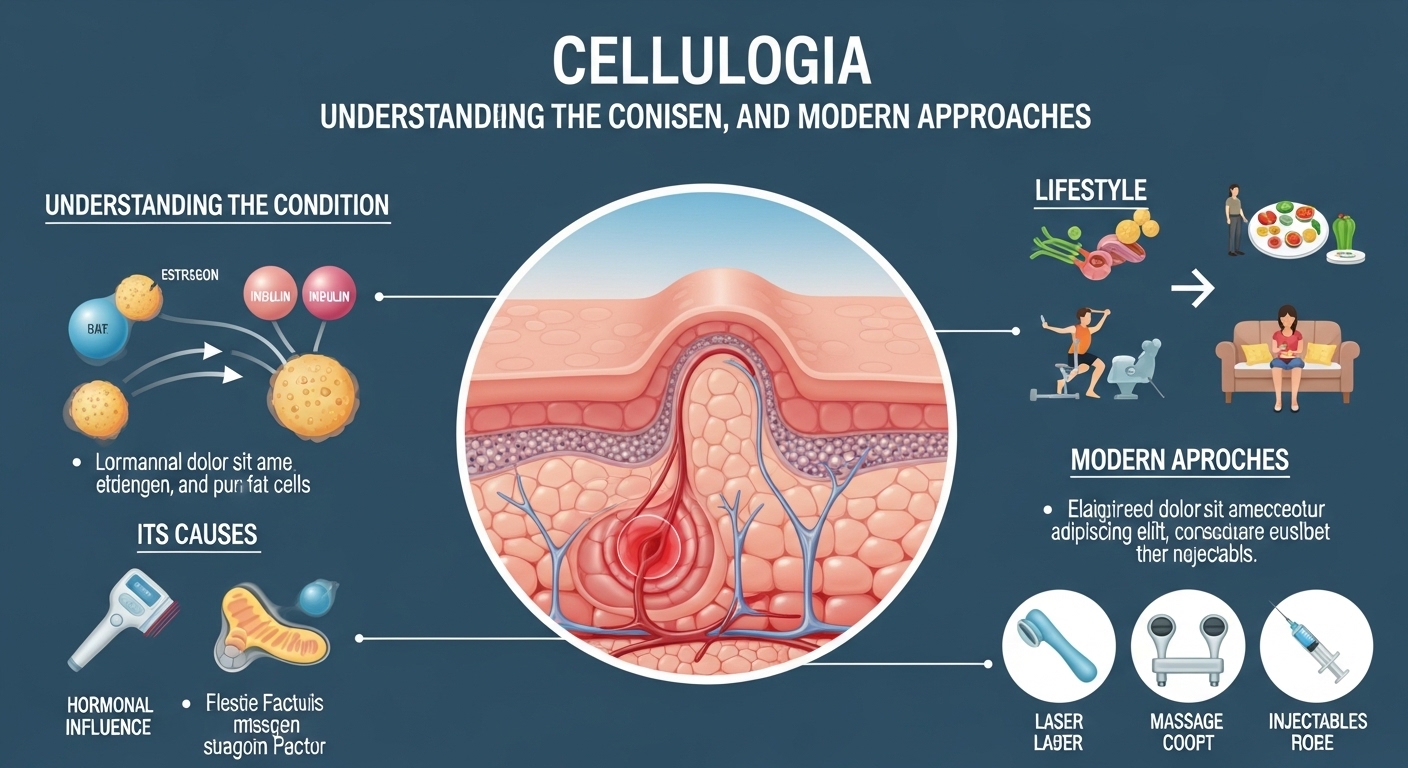
Cellulogia is a term that has gained attention in health, wellness, and aesthetic discussions, often used to describe changes in skin texture associated with underlying tissue structure. While it is sometimes confused with more commonly known conditions, cellulogia refers specifically to alterations beneath the skin that affect its appearance, firmness, and smoothness.
What Is Cellulogia?
Cellulogia describes a condition where connective tissue, fat cells, and fluid retention interact in a way that changes the surface appearance of the skin. It is most often noticed in areas such as the thighs, hips, abdomen, and buttocks, though it can appear elsewhere.
Rather than being classified as a disease, cellulogia is generally viewed as a structural and cosmetic condition. It does not usually pose direct health risks, but it can influence self-confidence and body image, making it a common concern for many individuals.
The Biological Basis of Cellulogia
To understand cellulogia, it is essential to look beneath the skin. Human skin is supported by a network of connective tissue that holds fat cells in place. When this network becomes rigid, weakened, or uneven, fat cells can push upward while connective bands pull downward.
This interaction creates:
-
Uneven skin texture
-
Dimpling or rippling effects
-
Changes in firmness and elasticity
Cellulogia is therefore not just about fat accumulation but about how fat, fluid, and connective tissue interact.
Why Cellulogia Develops
Hormonal Influence
Hormones play a significant role in the development of cellulogia. Estrogen, in particular, affects blood flow, fat storage, and connective tissue strength. This is one reason why cellulogia is more commonly observed in women than in men.
Hormonal fluctuations during:
-
Puberty
-
Pregnancy
-
Menopause
can all influence how connective tissue behaves and how fluid is retained beneath the skin.
Genetic Factors
Genetics can predispose individuals to cellulogia. Factors such as skin thickness, fat distribution, and connective tissue structure are inherited traits.
If close family members experience similar skin texture changes, the likelihood of developing cellulogia increases, regardless of overall body weight or fitness level.
Circulation and Fluid Retention
Healthy blood and lymphatic circulation are essential for maintaining skin structure. When circulation is compromised, fluid may accumulate in tissues, contributing to pressure and unevenness.
Poor circulation can result from:
-
Prolonged sitting or standing
-
Lack of physical activity
-
Tight clothing restricting blood flow
Over time, these factors can worsen the appearance of cellulogia.
Cellulogia and Body Weight: Clearing the Misconception
One of the most persistent myths is that cellulogia only affects individuals who are overweight. In reality, people of all body types can experience it.
Even lean individuals may develop cellulogia because the condition depends more on:
-
Connective tissue structure
-
Hormonal balance
-
Circulatory efficiency
This distinction is important for reducing stigma and promoting a realistic understanding of the condition.
Areas Commonly Affected by Cellulogia
Cellulogia tends to appear in areas where fat storage is naturally higher. These include:
-
Thighs
-
Buttocks
-
Hips
-
Lower abdomen
-
Upper arms
These regions are more sensitive to hormonal signals and circulation changes, making them more prone to visible texture variations.
Psychological and Emotional Impact
Although cellulogia is not medically dangerous, its emotional effects should not be underestimated. Many people experience reduced self-confidence or discomfort with their appearance.
Social pressure and unrealistic beauty standards often amplify these feelings. Understanding that cellulogia is common and natural can help shift focus from perfection to overall well-being.
Lifestyle Factors That Influence Cellulogia
Physical Activity
Regular movement improves circulation, strengthens connective tissue, and supports lymphatic drainage. Activities such as walking, strength training, and swimming can positively influence skin texture over time.
Exercise contributes by:
-
Increasing blood flow
-
Supporting muscle tone
-
Reducing fluid retention
Consistency matters more than intensity when it comes to long-term results.
Nutrition and Hydration
Diet plays a supportive role in managing cellulogia. While no food can eliminate it entirely, balanced nutrition helps maintain skin health.
Helpful dietary habits include:
-
Adequate hydration
-
Reduced excessive salt intake
-
Sufficient protein for tissue repair
-
Nutrient-rich fruits and vegetables
Hydration, in particular, supports elasticity and circulation.
Skin Care and Topical Approaches
Topical treatments are often marketed as solutions for cellulogia. While they do not address underlying structural causes, some products can temporarily improve skin appearance.
Ingredients commonly used include:
-
Caffeine
-
Retinol
-
Antioxidants
These can enhance firmness and smoothness by stimulating circulation or improving surface texture.
Massage and Mechanical Techniques
Massage techniques are frequently recommended for cellulogia management. Methods such as manual massage, dry brushing, or mechanical rollers aim to stimulate circulation and lymphatic flow.
Potential benefits include:
-
Temporary reduction in fluid buildup
-
Improved skin warmth and tone
-
Enhanced relaxation
While results are usually short-term, regular application may support overall skin health.
Medical and Aesthetic Treatments
Modern aesthetic medicine offers various procedures designed to target cellulogia more directly. These treatments focus on connective tissue remodeling, fat cell disruption, or circulation enhancement.
Common approaches include:
-
Energy-based therapies
-
Subdermal techniques
-
Controlled tissue stimulation
It is important to note that outcomes vary, and professional consultation is essential before considering any procedure.
Expectations and Realistic Outcomes
One of the most important aspects of addressing cellulogia is setting realistic expectations. Complete elimination is rare, regardless of the method used.
Successful management typically means:
-
Improved skin texture
-
Reduced visibility
-
Enhanced confidence
Understanding this helps prevent frustration and promotes sustainable habits.
Cellulogia Across Different Life Stages
Adolescence
Hormonal changes during adolescence can trigger early signs of cellu logia. At this stage, lifestyle habits such as physical activity and balanced nutrition can play a preventive role.
Adulthood
In adulthood, work routines, stress levels, and hormonal stability influence skin structure. Maintaining movement and circulation becomes increasingly important.
Later Life
As skin naturally loses elasticity with age, cellulogia may become more noticeable. Gentle activity, hydration, and supportive skin care can help maintain comfort and appearance.
Cultural Perspectives on Cellulogia
Perceptions of cellulogia vary across cultures. In some societies, it is viewed as a natural part of the body, while in others it is heavily stigmatized.
Changing narratives around body diversity and realism have helped normalize skin texture variations, encouraging acceptance rather than concealment.
Common Myths About Cellulogia
Several misconceptions continue to circulate, including:
-
Only inactive people develop it
-
It can be eliminated overnight
-
It is caused solely by poor diet
Understanding the science behind cellulogia helps dispel these myths and promotes informed choices.
Supporting Overall Skin Health
Rather than focusing exclusively on cellu logia, many experts recommend prioritizing overall skin and body health.
This includes:
-
Regular movement
-
Balanced nutrition
-
Stress management
-
Adequate sleep
These habits benefit not only skin appearance but overall well-being.
The Role of Self-Acceptance
While management options exist, self-acceptance plays a crucial role in mental and emotional health. Recognizing cellu logia as a common human trait can reduce unnecessary pressure and comparison.
Final Thoughts
Cellulogia is a complex condition influenced by biology, lifestyle, and genetics. It is neither a flaw nor a failure but a natural variation in how bodies are structured.
Understanding its causes and realistic management options empowers individuals to make informed decisions without falling for exaggerated promises. Whether the goal is improvement, maintenance, or acceptance, knowledge remains the most valuable tool.