

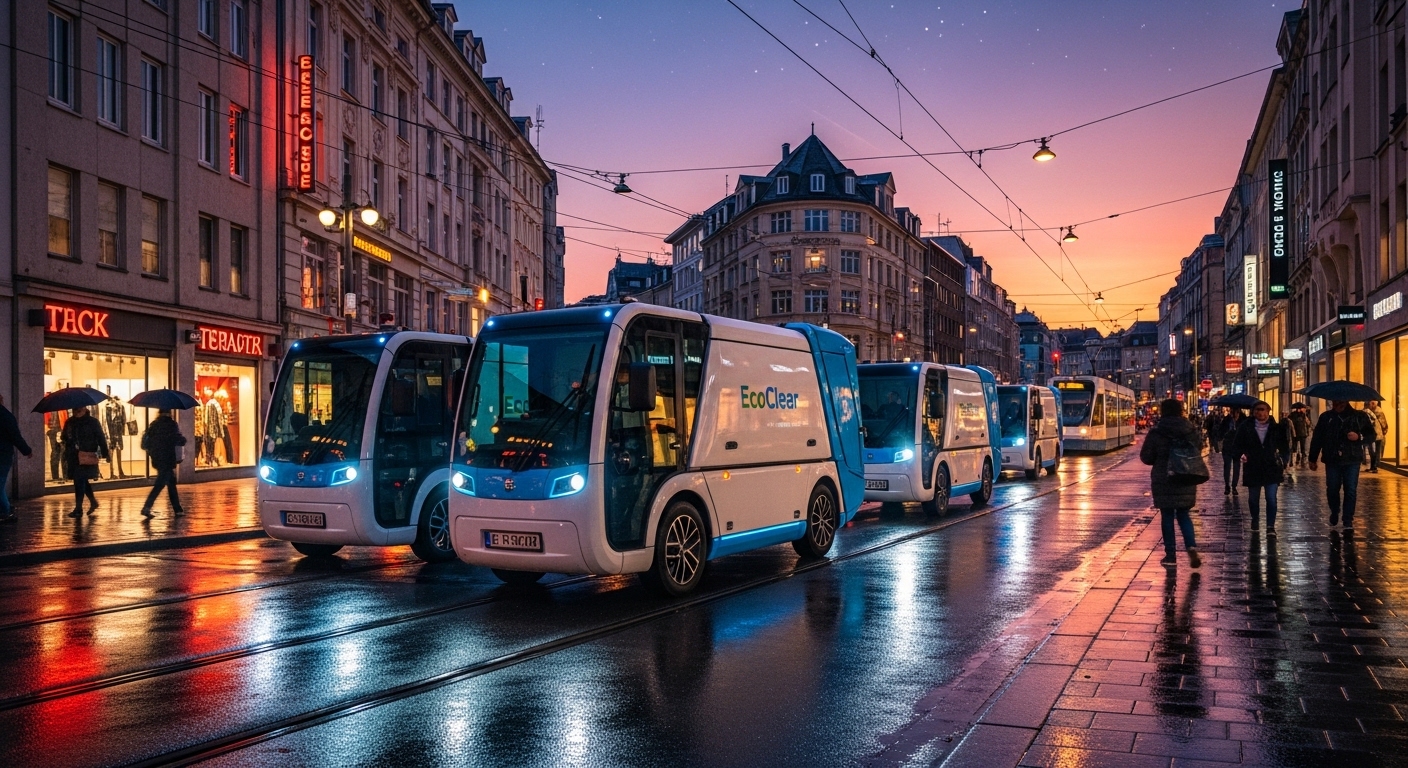
On a narrow street in Amsterdam, a small business owner stood outside his shop watching a white truck carefully maneuver between parked bicycles and delivery vans. Inside that vehicle were not packages or groceries, but the contents of an entire office—desks, filing cabinets, outdated electronics, and years of accumulated clutter. The company handling the operation specialized in afruimwagens, mobile clearing vehicles designed to streamline removals and space optimization in dense urban environments.
For entrepreneurs and founders navigating today’s fast-moving business climate, physical space is more than a backdrop. It’s a strategic asset. Offices shrink or expand. Warehouses reorganize. Retail layouts evolve. And when transitions happen, efficiency matters. The concept of afruimwagens represents a practical yet often overlooked innovation in urban logistics: specialized vehicles and systems built specifically for structured clearing, removal, and space management.
In an era obsessed with digital transformation, it’s easy to overlook how operational infrastructure underpins growth. Yet founders who understand logistics—right down to how physical assets are moved and cleared—often gain a quiet competitive advantage.
The Operational Reality Behind Business Transitions
Every scaling company eventually faces change. A startup outgrows its coworking space. A retail brand renovates flagship locations. A tech firm upgrades hardware across multiple offices. These moments generate operational friction that can slow momentum.
Clearing and relocating assets is rarely glamorous. But inefficiencies in this phase can result in lost productivity, compliance risks, or unnecessary expenses. Afruimwagens have emerged as a solution tailored to these transitional moments.
Unlike standard moving trucks, these vehicles are typically configured for structured clearing tasks. They often include modular storage systems, sorting compartments, and equipment designed for safe disposal or recycling of materials. The focus is not merely transportation, but organized removal.
For founders managing lean teams, outsourcing this function to specialists using afruimwagens allows them to maintain focus on strategy rather than logistics.
Urban Density and the Rise of Specialized Vehicles
Cities are becoming denser. Narrow streets, limited parking, and strict municipal regulations create logistical complexity. Traditional large-scale moving trucks can struggle in historic districts or tightly packed commercial zones.
Afruimwagens address this challenge through adaptive design. Many are built with compact dimensions, efficient loading systems, and equipment suited for quick turnaround operations.
This evolution mirrors broader trends in urban mobility. Just as last-mile delivery services use smaller electric vans and cargo bikes, clearing services have adapted to the realities of city infrastructure.
For tech-enabled businesses operating in metropolitan areas, understanding these logistical constraints is crucial. Delays caused by inaccessible loading zones or permit restrictions can disrupt carefully planned transitions.
Sustainability and Responsible Disposal
Modern entrepreneurs increasingly prioritize environmental responsibility. Office renovations and equipment upgrades generate significant waste. Electronics, furniture, and packaging materials must be handled properly to avoid environmental harm.
A key advantage of afruimwagens lies in their integration with recycling and waste management processes. Rather than treating removal as a simple “haul away” service, many providers emphasize sorting, recycling, and responsible disposal.
This approach aligns with ESG (Environmental, Social, and Governance) expectations that investors and partners increasingly scrutinize. A company that manages its physical transitions sustainably sends a powerful signal about operational values.
For founders building climate-conscious brands, selecting services that use afruimwagens equipped for organized waste separation reinforces credibility.
The Technology Layer in Clearing Operations
Even in physical logistics, digital transformation plays a role. Modern clearing operations often incorporate software systems for scheduling, asset tracking, and compliance documentation.
Imagine a growing SaaS company relocating its headquarters. Hundreds of devices—laptops, servers, networking equipment—must be inventoried, transported, or decommissioned securely. Afruimwagens integrated with digital tracking tools can document every asset’s movement.
This integration reduces risk. It ensures data-bearing devices are handled according to regulatory standards. It provides founders with real-time visibility into progress.
Below is a comparison highlighting how structured clearing solutions differ from conventional removal services:
| Feature | Standard Moving Service | Afruimwagens-Based Service |
|---|---|---|
| Focus | Transport only | Clearing, sorting, transport |
| Urban Accessibility | Limited in dense areas | Optimized for city layouts |
| Waste Sorting & Recycling | Basic or outsourced | Integrated into process |
| Asset Tracking | Minimal | Often digitally supported |
| Speed of Turnaround | Variable | Designed for efficiency |
For founders managing time-sensitive transitions, these distinctions matter.
Risk Management and Compliance
Entrepreneurs rarely anticipate the compliance implications of clearing operations. Yet improper disposal of electronics or confidential documents can create legal exposure.
A structured approach using afruimwagens mitigates these risks. Professional teams are trained to handle sensitive materials appropriately, ensuring compliance with data protection laws and environmental regulations.
In sectors like fintech, healthcare tech, or legal services, this level of diligence is non-negotiable. Founders must ensure that physical transitions uphold the same standards as digital security protocols.
Operational excellence extends beyond product development. It includes how responsibly a company manages its tangible assets.
Scaling Operations Without Disruption
Growth often demands rapid reconfiguration. A startup that secures Series B funding may need to expand into larger premises within weeks. Retail brands launching seasonal pop-ups must assemble and dismantle installations efficiently.
Afruimwagens support this agility. Their structured clearing systems reduce downtime between phases of expansion or relocation.
For founders, minimizing operational disruption preserves momentum. Employees remain focused. Customers experience continuity. Investors see disciplined execution.
This seemingly tactical service contributes to broader strategic stability.
The Human Element in Clearing Services
Behind every operational transition are people—employees packing desks, managers coordinating timelines, founders juggling strategic priorities. Clearing spaces can be emotionally charged, particularly during downsizing or restructuring.
Professional teams operating afruimwagens often bring more than logistical expertise. They provide organization and calm during complex transitions.
For leadership teams, delegating this function to experienced providers reduces stress and allows them to focus on communication and culture.
Entrepreneurs sometimes underestimate how operational transitions affect morale. Smooth execution reinforces confidence in leadership.
Economic Considerations for Founders
Cost efficiency remains central to every entrepreneurial decision. While specialized services may appear more expensive initially, they often reduce hidden costs.
Delays, regulatory fines, inefficient labor allocation, and waste mismanagement can quickly outweigh savings from choosing a basic service.
A strategic approach to clearing operations—leveraging afruimwagens designed for structured efficiency—often proves more economical over time.
Founders should evaluate total cost of transition rather than surface-level pricing.
Urban Innovation and Logistics Evolution
The broader trend behind afruimwagens reflects a shift toward specialized urban logistics. As cities evolve, services adapt to meet new demands.
Electric fleets, modular vehicle interiors, and digital route optimization tools are reshaping how goods and materials move. Clearing operations are part of this transformation.
For tech readers and founders, these developments highlight an often-overlooked innovation frontier. Logistics remains ripe for disruption and optimization.
Investors increasingly recognize the value of infrastructure-focused startups. Services built around specialized vehicles and operational efficiency represent tangible, scalable opportunities.
Looking Ahead: The Future of Urban Clearing
As hybrid work models continue and office footprints fluctuate, demand for flexible clearing solutions is likely to grow. Companies may downsize headquarters while expanding distributed hubs. Retail concepts may become more temporary and experiential.
In this environment, afruimwagens symbolize adaptability. They represent a practical response to the evolving needs of modern businesses.
Entrepreneurs who anticipate these shifts can integrate logistical foresight into strategic planning. Rather than reacting to transitions, they prepare for them.
Conclusion
Back on that Amsterdam street, the white truck completed its task in a matter of hours. The shop owner watched as the cleared space revealed new possibilities—room for expansion, redesign, and growth.
Afruimwagens may not dominate headlines in tech publications, but they illustrate a critical lesson for founders: strategy extends beyond code and capital. It includes the infrastructure that enables change.
In dense urban environments, where every square meter matters, efficient clearing solutions support agility and sustainability. Entrepreneurs who appreciate the strategic value of logistics position themselves to scale with confidence.
Operational excellence is rarely glamorous. But it is often the foundation upon which lasting innovation is built.