

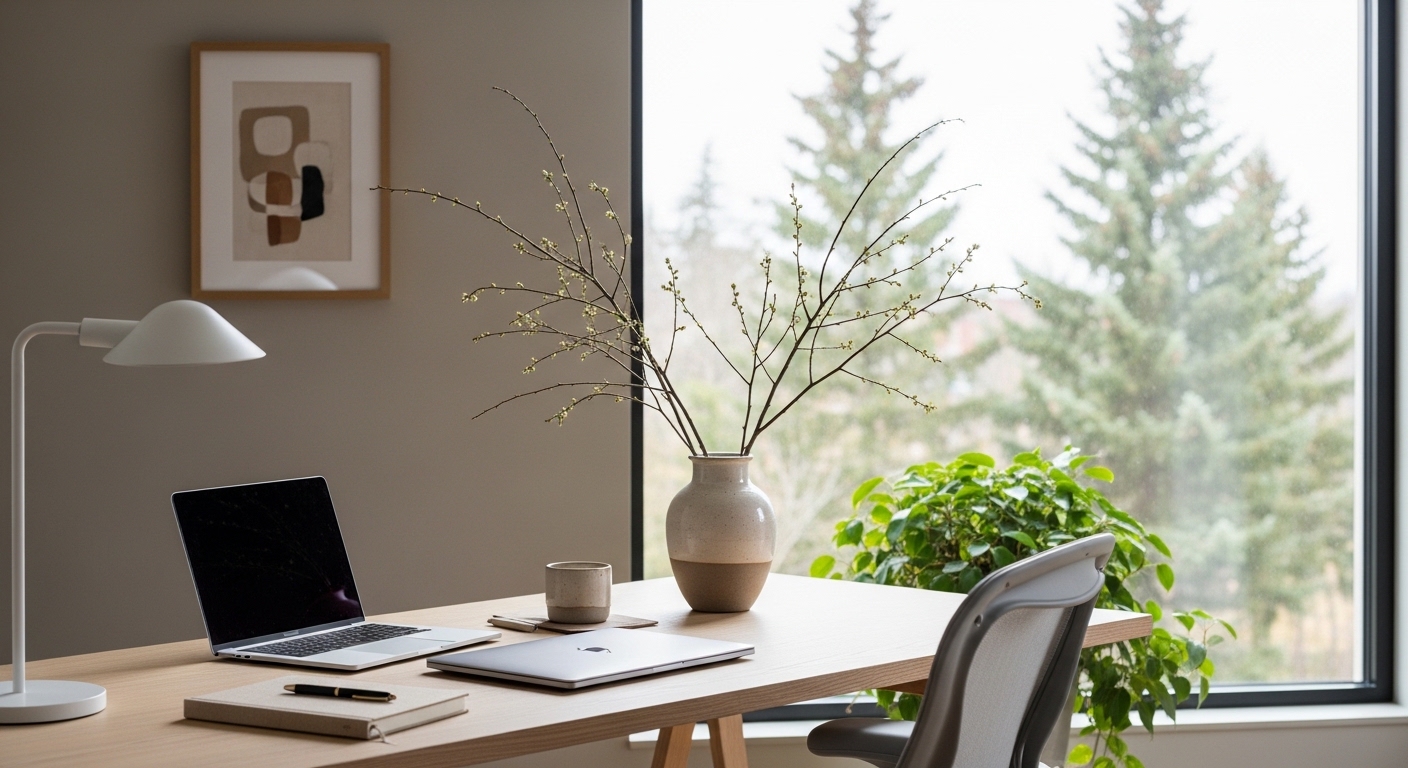
On a gray Monday morning in Copenhagen, a SaaS founder adjusted a simple glass vase on the conference table before an investor meeting. Inside it stood a handful of slender birch branches—bare, understated, and quietly elegant. There were no bold flowers, no elaborate centerpiece. Yet the room felt complete. Intentional. Calm.
Those branches, known as pyntekvister, are more than decorative twigs. They represent a philosophy deeply rooted in Scandinavian culture—one that blends minimalism, nature, and thoughtful design. For entrepreneurs, tech readers, and founders shaping modern offices or home workspaces, pyntekvister offer insight into how subtle aesthetics influence perception, productivity, and brand identity.
In a world obsessed with bold statements and fast-moving trends, the restrained beauty of decorative branches signals confidence. It suggests clarity over clutter. Purpose over excess.
Understanding Pyntekvister in Contemporary Design
The word pyntekvister comes from Scandinavian languages and translates roughly to “decorative branches.” These are carefully selected natural branches—often birch, willow, cherry blossom, or seasonal twigs—used as interior design elements.
Unlike traditional floral arrangements that rely on vibrant colors and fragrance, pyntekvister focus on form, line, and texture. They emphasize organic structure rather than bloom. The result is subtle elegance.
This approach aligns with Nordic design principles: simplicity, functionality, and harmony with nature. Instead of overwhelming a room, pyntekvister complement it. They introduce movement through natural curves and contrast through raw texture.
For founders designing work environments, this simplicity mirrors effective product philosophy—clean interfaces, intuitive structure, purposeful detail.
The Cultural Roots Behind Decorative Branches
To understand pyntekvister, one must appreciate Scandinavian environmental context. Long winters and limited daylight historically shaped interior design priorities. Homes needed warmth, light reflection, and organic texture.
Bringing branches indoors created a symbolic bridge between interior and exterior spaces. Even in the coldest months, a simple arrangement of twigs connected inhabitants to the surrounding landscape.
Over time, this practice evolved into an aesthetic tradition. Decorative branches became seasonal markers—blossoming in spring, sparse in winter, subtly colorful in autumn.
For entrepreneurs, this cultural layering offers a lesson: meaningful design often reflects environment and lived experience rather than fleeting trends.
Why Pyntekvister Appeal to Entrepreneurs and Founders
Modern entrepreneurs increasingly recognize that workspace design affects mood, creativity, and performance. Investors notice environment. Employees respond to atmosphere.
Pyntekvister offer several advantages in professional settings. They require minimal maintenance compared to fresh flowers. They align seamlessly with contemporary minimalist architecture. They subtly signal sophistication without extravagance.
In tech-driven offices filled with screens and steel, natural branches soften the space. They balance hard surfaces with organic shapes.
This quiet design choice can influence perception during client meetings, interviews, or investor presentations. Thoughtful simplicity communicates discipline.
The Psychology of Nature in the Workplace
Environmental psychology consistently shows that exposure to natural elements reduces stress and improves cognitive performance. Even small natural accents can enhance well-being.
Pyntekvister contribute to this effect through texture and asymmetry. Human brains respond positively to organic irregularity. Unlike manufactured decor, branches carry subtle unpredictability.
In high-pressure startup environments, micro-interventions matter. A room anchored by clean lines and complemented by natural decor feels less sterile and more grounded.
For founders optimizing productivity systems and workflows, integrating nature into workspace design becomes another performance strategy.
Choosing the Right Pyntekvister for Different Environments
Not all decorative branches create the same atmosphere. Selection influences tone and visual impact.
Light birch branches complement Scandinavian-style interiors with white walls and pale wood floors. Willow branches introduce flowing lines ideal for creative studios. Cherry blossom branches add gentle seasonal elegance, particularly in reception areas.
Below is a comparison of branch types and their design effect:
| Branch Type | Aesthetic Impact | Ideal Setting |
|---|---|---|
| Birch | Light, minimal, airy | Modern offices |
| Willow | Soft, flowing movement | Creative spaces |
| Cherry Blossom | Subtle elegance | Client-facing areas |
| Dried Twigs | Rustic texture | Industrial interiors |
| Evergreen | Calm, winter tone | Corporate spaces |
Thoughtful selection transforms pyntekvister from decorative detail into spatial narrative.
Sustainability and Conscious Design
In an era where sustainability defines brand credibility, decor choices matter. Pyntekvister naturally align with environmentally conscious values.
Locally sourced branches reduce environmental footprint compared to imported floral arrangements. Dried branches last longer and require no water, minimizing waste.
For founders building eco-aligned brands, physical spaces should reflect environmental commitments. Authenticity is reinforced when aesthetic choices align with sustainability messaging.
Decorative branches offer understated eco-conscious symbolism.
Pyntekvister in Retail and Brand Experience
Beyond homes and offices, retail environments increasingly incorporate Scandinavian design cues. Pyntekvister serve as vertical accents, drawing the eye upward without cluttering display areas.
Luxury boutiques use tall branches in ceramic vases to create visual rhythm. Tech showrooms incorporate subtle natural elements to humanize sleek product displays.
This design strategy enhances atmosphere without distracting from merchandise. It supports brand storytelling rather than competing with it.
For founders launching physical locations, decorative restraint often elevates perceived value.
Digital Culture and Aesthetic Influence
Social media has amplified Nordic interior aesthetics globally. Images of minimalist living rooms adorned with simple branches circulate widely.
Yet the popularity of pyntekvister is not solely aesthetic imitation. It reflects broader shifts toward simplicity and mindfulness.
Entrepreneurs designing spaces influenced by digital trends must avoid superficial replication. The enduring appeal of decorative branches lies in intentionality, not trend adoption.
Authenticity remains essential.
Balancing Minimalism With Warmth
Minimalist spaces risk appearing cold. Pyntekvister counterbalance this by introducing texture and subtle imperfection.
Organic shapes soften geometric architecture. Natural tones harmonize with stone, glass, and metal.
For founders, this balance mirrors product philosophy. Precision and innovation must coexist with human-centered design.
A workspace that feels alive—even through small details—supports creativity and connection.
Future Directions in Scandinavian-Inspired Design
As sustainability and wellness continue influencing design, pyntekvister are likely to remain relevant. Hybrid arrangements combining preserved branches with soft lighting may emerge. Seasonal rotation may become more intentional, reflecting environmental awareness.
Technology may integrate subtly, with smart lighting highlighting natural textures.
Yet the core appeal remains unchanged: simplicity rooted in nature.
Conclusion: The Power of Subtle Intentionality
In that Copenhagen meeting room, investors may not have consciously noticed the birch branches. But they felt the atmosphere—calm, refined, intentional.
Pyntekvister demonstrate that influence often lies in restraint. They remind entrepreneurs that environments shape perception as powerfully as pitch decks.
In modern business culture, where speed and noise dominate, subtlety stands out. Decorative branches in a simple vase reflect clarity of thought and alignment with natural principles.
Sometimes the smallest design choice communicates the strongest message.